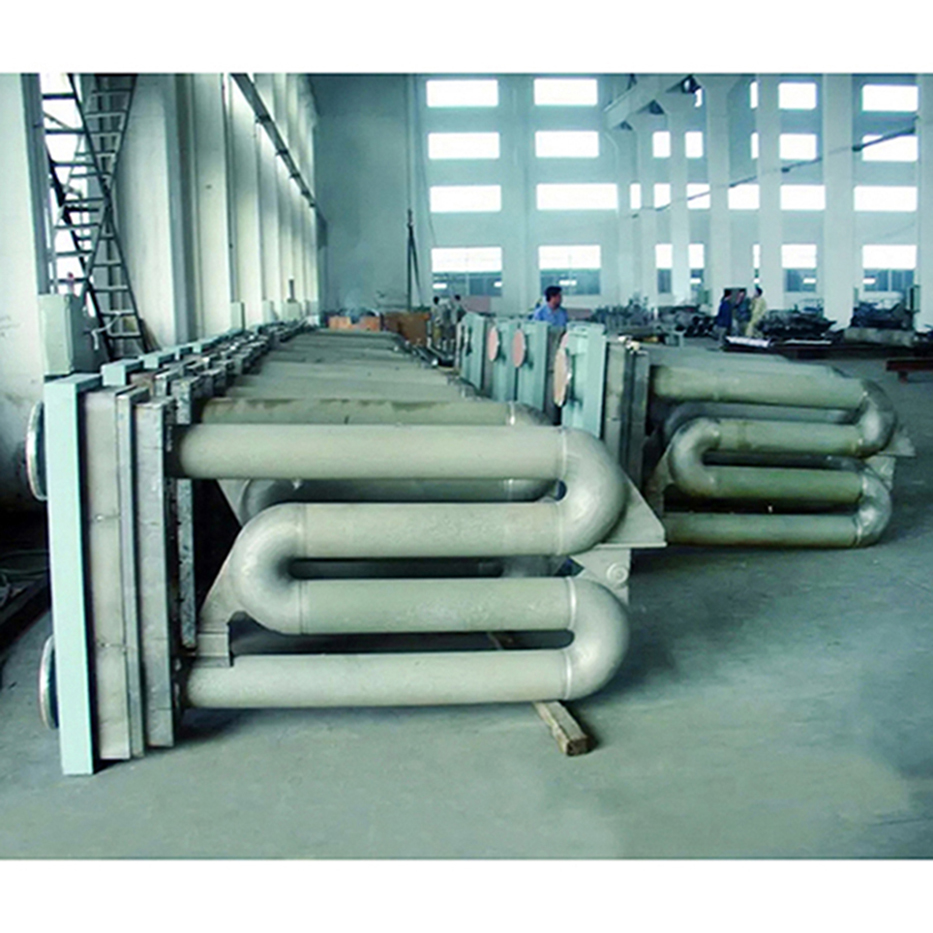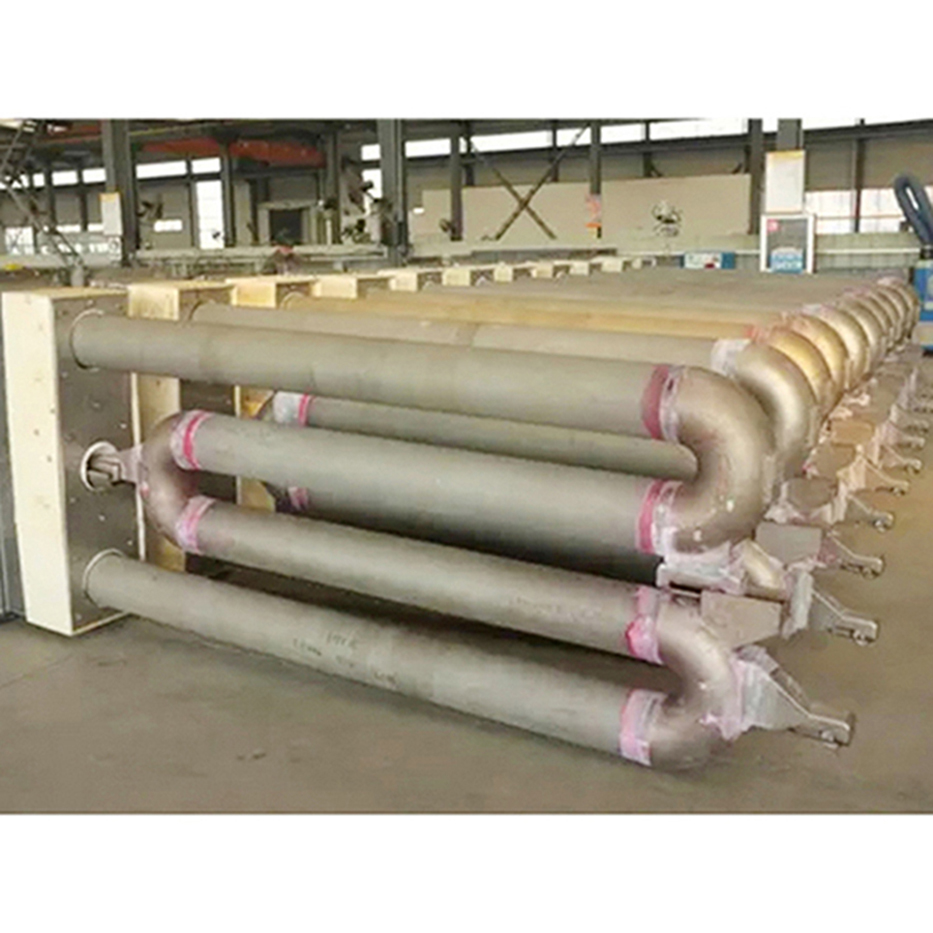
As a key component in the field of industrial heating, radiant tubes have made significant progress in materials, design and manufacturing technology in recent years. With the growing demand for energy conservation, environmental protection and efficient heating in the global industrial field, the radiant tube industry is ushering in a new round of technological innovation, and the application of new materials and intelligent technologies has become the main driving force for the development of the industry.
High-performance materials promote the upgrade of radiant tubes
Traditional radiant tubes are mostly made of heat-resistant alloy materials, but their service life and performance are still facing challenges in extremely high temperature and corrosive environments. In recent years, breakthroughs in ceramic-based composite materials and nano-coating technology have provided new directions for improving the performance of radiant tubes. For example, ** a leading international company ** has successfully developed a ceramic-based composite radiant tube, whose high temperature resistance has been improved to more than 1400℃, and it also has excellent thermal shock resistance and corrosion resistance, which significantly extends its service life.
In addition, the application of nano-coating technology has also greatly improved the surface hardness and thermal conductivity efficiency of radiant tubes. For example, ** a domestic scientific research team ** has developed a new nano-coating that can increase the thermal efficiency of radiant tubes by more than 15% while reducing energy consumption.
Intelligent technology optimizes heating efficiency
With the advancement of Industry 4.0, the intelligent upgrade of radiant tubes has become a hot spot in the industry. By integrating temperature sensors and intelligent control systems, radiant tubes can monitor temperature changes during heating in real time, and automatically adjust heating parameters to achieve precise temperature control. For example, the intelligent radiant tube system launched by a German company can be connected to the central control system through the Internet of Things technology to achieve remote monitoring and fault diagnosis, greatly improving production efficiency and safety.
Green energy saving has become the focus of the industry
Driven by the global carbon neutrality goal, the radiant tube industry is accelerating its transformation towards green energy saving. Companies are developing low-energy and low-emission radiant tube products. For example, a Japanese company has developed a new type of heat storage radiant tube that increases energy utilization by more than 20% by recycling heat from exhaust gas.
Continuous expansion of application areas
Radiant tubes are widely used in heating furnaces in metallurgy, chemical industry, ceramics, glass and other industries. With the application of new materials and new technologies, its application areas have been further expanded to new energy and environmental protection fields. For example, in the hydrogen energy industry chain, radiant tubes are used in high-temperature water electrolysis hydrogen production equipment; in the field of waste gas treatment, radiant tubes can be used for high-temperature decomposition of harmful gases.
Market prospects and challenges
In the future, with the continued growth of global industrial production and the promotion of environmental protection policies, the radiant tube market will maintain steady growth. However, the industry is also facing challenges such as rising raw material costs and intensified international competition. Enterprises need to increase R&D investment and promote technological innovation to cope with market changes.